

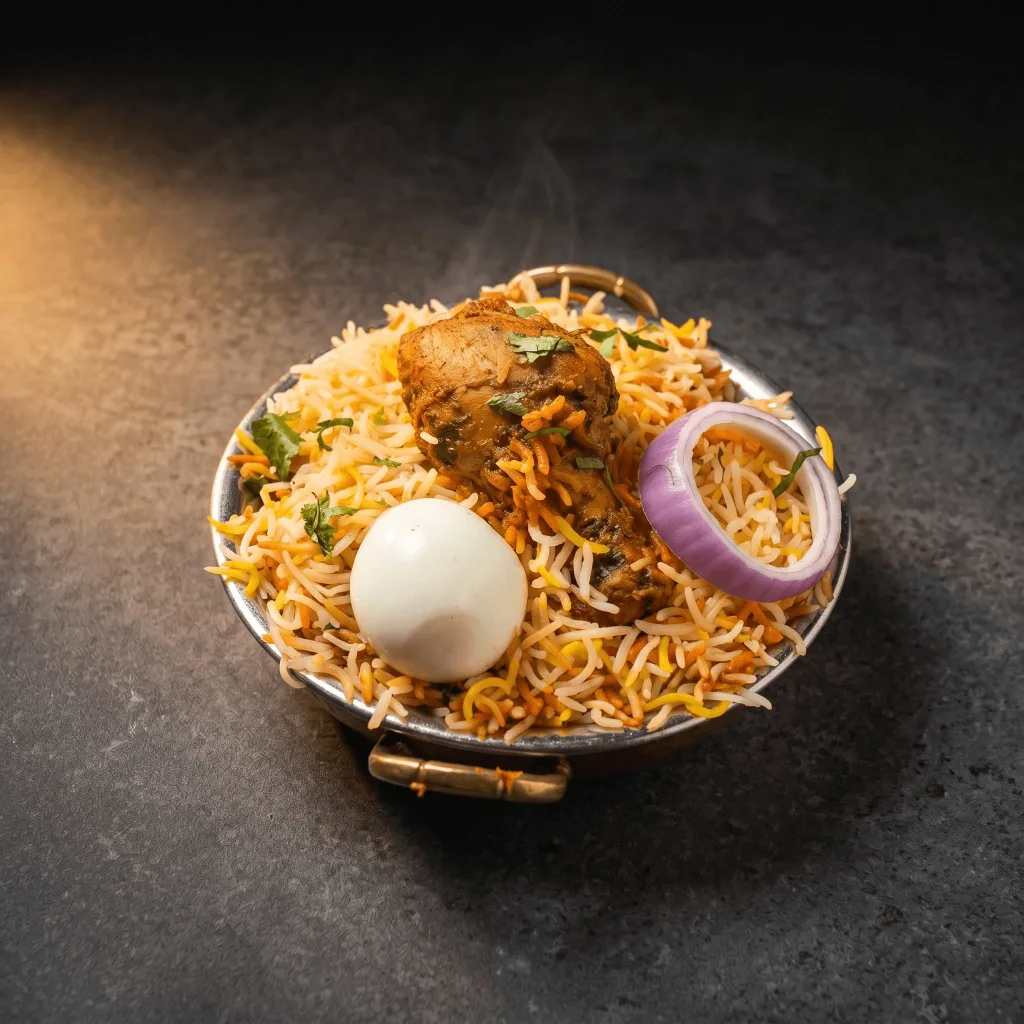
Mandi Rice vs Biryani: What Makes These Two Spiced Rice Dishes Different in Method and Taste
Rice dishes hold a special place in many food cultures, especially when they combine fragrant spices, tender meat, and carefully prepared ingredients. Mandi rice and biryani are two popular choices that often attract people who enjoy rich and satisfying meals. Although both dishes feature seasoned rice and meat, their cooking methods, ingredients, aromas, and overall flavours are quite different.
Understanding these differences can make choosing your next meal easier. Whether you enjoy the gentle smokiness of mandi or the bold flavours of biryani, both dishes offer something worth exploring when visiting an Indian restaurant in Surrey.
1. Understanding the Origins and Character of Both Dishes
Mandi is traditionally associated with Yemen and the wider Arabian Peninsula. It is especially known for its distinctive cooking technique, where meat is slowly cooked in a special oven or underground pit. Rice is prepared to absorb the moisture and natural juices released during cooking. This gives the dish its characteristic aroma and tender texture.
Biryani, on the other hand, has deep roots in South Asian food traditions. It is prepared in many regional styles across India and neighbouring countries. Hyderabadi, Lucknowi, and other varieties use different spice combinations and cooking techniques. Each version brings its own character, making biryani a versatile choice for people who enjoy layered flavours.
2. The Cooking Methods Create Different Results
The biggest difference between these dishes comes from how they are prepared.
How Mandi Rice Is Cooked
Traditional mandi involves cooking seasoned meat inside a covered tandoor or special pit. The rice is placed below the meat so that its juices can add flavour and moisture as everything cooks. The controlled heat helps produce tender meat and aromatic rice.
Some modern kitchens use specialised ovens and equipment to recreate this traditional technique. The goal remains similar: develop a gentle smoky aroma while keeping the meat moist and the rice light.
How Biryani Is Prepared
Biryani usually involves preparing rice and meat separately before combining them. The meat is cooked with spices, onions, herbs, and other ingredients. Partially cooked rice is then layered over the meat mixture.
The pot is covered and cooked on low heat through a process called dum. Steam moves through the layers, allowing the rice and meat to finish cooking together. This method creates a deeper blend of spices throughout the dish.
3. A Closer Look at Their Taste and Aroma
The flavour difference becomes clear with the first bite. Mandi generally offers a mild, fragrant taste. Its seasoning often includes ingredients such as cardamom, cumin, cloves, and black pepper. The spices support the natural flavour of the meat instead of overpowering it.
Biryani usually delivers a stronger and more complex flavour. Depending on the regional recipe, it may include turmeric, chilli, cinnamon, cloves, mint, coriander, and fried onions. The combination creates layers of warmth, fragrance, and richness.
| Feature | Mandi Rice | Biryani |
|---|---|---|
| Main flavour | Mild and smoky | Rich and spicy |
| Cooking style | Slow oven cooking | Layering and dum |
| Rice texture | Light and separate | Fragrant and flavourful |
| Meat preparation | Roasted or slow cooked | Spiced and cooked with masala |
| Overall experience | Subtle and aromatic | Bold and layered |
4. Which Dish Should You Choose?
Your choice depends on the flavours and textures you enjoy most.
• Choose mandi if you prefer tender roasted meat, gentle seasoning, and smoky aromas.
• Choose biryani if you enjoy stronger spices, fragrant rice, and a rich combination of ingredients.
• Try both if you want to explore different cooking traditions and discover which preparation suits your taste.
If you are exploring mandi surrey options, trying a traditional preparation can introduce you to a different style of spiced rice. You can also explore kebab surrey choices alongside your meal. Grilled kebabs add another texture and flavour, making them an enjoyable addition to a shared dining experience.
5. How These Dishes Fit Different Dining Occasions
Mandi and biryani are suitable for more than everyday meals. Both can be served at family gatherings, celebrations, and group dinners. Their generous portions and combination of rice and meat make them convenient dishes to share.
Biryani is especially popular at celebrations because different varieties can accommodate different preferences. Mandi is equally appealing when guests want something aromatic with a focus on roasted meat.
For larger occasions, choosing an experienced indian wedding caterer can make menu planning easier. A balanced menu featuring rice dishes, kebabs, vegetarian options, and suitable accompaniments gives guests more variety. The right combination can make a gathering feel welcoming without making the food selection unnecessarily complicated.
6. Enjoying the Best of Both Rice Traditions
One interesting way to appreciate these dishes is to compare their textures and aromas rather than simply judging which one is better. Notice how mandi keeps its seasoning relatively subtle while highlighting the natural taste of its meat. Then consider how biryani uses layered ingredients to create a more pronounced spice profile.
At Pakka Local Indian Cuisine, guests can explore Indian favourites alongside dishes inspired by different culinary traditions. Trying both styles can make a restaurant visit more enjoyable, particularly when dining with friends or family members who have different food preferences.
Conclusion
Mandi rice and biryani may share rice, meat, and aromatic spices, but their preparation and flavour profiles set them apart. Mandi stands out for its gentle seasoning, slow cooking, and smoky character, while biryani is recognised for its layered preparation and rich spice combinations.
Neither dish needs to compete with the other. Both offer distinctive dining experiences and show how different cooking traditions can transform simple ingredients into memorable meals. Exploring both is a delicious way to discover new flavours and enjoy the variety of South Asian and Middle Eastern inspired cuisine.

Leave a Comment
Comments (0)