

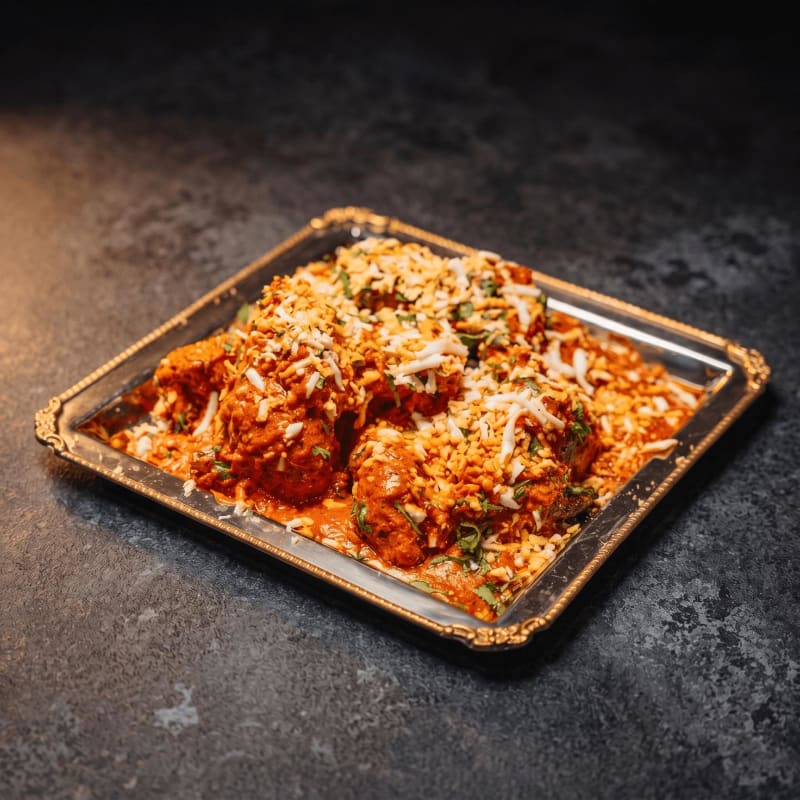
Haleem: The Slow-Cooked Dish That Is Becoming Surrey's Favourite Winter Indian Food
When the weather turns cold, many people look for food that feels warm, filling, and satisfying. A bowl of haleem answers that craving with a thick texture, tender meat, grains, lentils, and carefully balanced spices. It is not a quick meal prepared at the last minute. Its appeal comes from patience: ingredients cook slowly until they blend into a hearty dish that is easy to enjoy one spoonful at a time.
For Surrey diners, haleem offers something different from familiar rice dishes and curries. Its deep flavour and comforting consistency make it inviting on a winter evening.
1. What Makes Haleem So Special?
At its heart, haleem is a slow-cooked preparation commonly made with meat, wheat, lentils, and spices. As the ingredients cook, the grains soften and the meat becomes tender enough to shred. They are then worked together to create the dish's signature thick, cohesive texture.
Unlike a curry served beside rice, haleem brings many ingredients together in one bowl. Each spoonful carries the flavour of the meat, grains, pulses, and spices. Fried onions, herbs, ginger, green chilli, and lemon can add freshness to the rich base. Warming spices make the aroma inviting, while the soft texture gives every bite a comforting finish on cold days.
2. Why Slow Cooking Makes Such a Difference
Haleem needs time because its texture is central to the experience. The grains and pulses must soften, while the meat cooks until it can be broken down and blended into the mixture. Gentle, extended cooking helps the ingredients combine rather than remain as separate pieces.
Slow cooking allows spices to spread through the dish, creating a rounded flavour rather than a strong surface seasoning. The result is substantial but should still feel balanced.
A comforting bowl, built in stages
1. Grains and pulses are softened through cooking.
2. Meat is cooked until tender.
3. The cooked ingredients are mashed, shredded, or stirred together.
4. Seasoning is adjusted and fresh garnishes are added before serving.
3. A Dish With Roots Beyond One Region
Haleem is part of a wider family of meat and grain preparations found across West Asia and South Asia. It is closely related to dishes known as harees or harisa. Over time, cooks in different places adapted the preparation with local ingredients and seasonings. In Hyderabad, haleem developed a distinct identity and became strongly associated with Ramadan, when it is widely enjoyed as an iftar food.
Regional versions differ in seasoning, but slow cooking and the blending of meat and grains connect them. The dish is also associated with communal food traditions. In Hyderabad, it is especially visible during Ramadan, when restaurants and cooks prepare it for people gathering to break their fast. That seasonal connection has helped make haleem familiar well beyond the city. Today, recipes are enjoyed in many places, with each kitchen adjusting the seasoning and consistency to its own style.
4. Why It Feels Right on a Winter Menu
Haleem suits cold days with its thick texture and warming spices. It can be enjoyed as a meal or alongside bread.
Pakka Local offers biryanis, mandis, kebabs, curries, and Chinese selections. The menu also lists haleem among its special dishes, described as a slow-cooked blend of lentils, tender meat, and spices. Availability and preparation can change, so checking with the restaurant before visiting is sensible.
5. More Than One Way to Explore Indian Flavours
A meal does not have to stay within one regional style. The menu's indo chinese choices provide a different experience, with items such as vegetable or chicken fried rice, noodles, and Manchurian-style starters. Their wok-tossed flavours contrast with the slow, mellow richness of haleem.
Those who enjoy regional variety can also look towards south indian food surrey diners often seek, including dishes with lively spices, curry leaves, and distinct seasoning styles. Pakka Local's menu includes South Indian-inspired starters such as cut mirchi, Gobi 65, and chicken 65.
6. Simple Ways to Enjoy Your Bowl
Small additions can balance each serving:
• Add a little lemon juice to brighten the flavour.
• Use fresh herbs or sliced onions for a crisp contrast.
• Add green chilli gradually if you prefer more heat.
• Enjoy it slowly, allowing the texture and seasoning to come through.
Ask the restaurant about ingredients if you have allergies or dietary requirements.
Conclusion
Haleem earns its place on a winter menu through patience, texture, and deep, comforting flavour. Its slow-cooked blend of meat, grains, lentils, and spices offers a change from everyday curries and rice dishes, while its varied regional history makes every version worth discovering. At Pakka Local, it sits alongside a broad selection of Indian and Chinese-inspired choices, giving diners several ways to build a satisfying meal. When the temperature drops, a warm bowl of haleem is a delicious reason to explore something different.

Leave a Comment
Comments (0)